

Understanding Esports News DualMedia and Its Role in Competitive Gaming
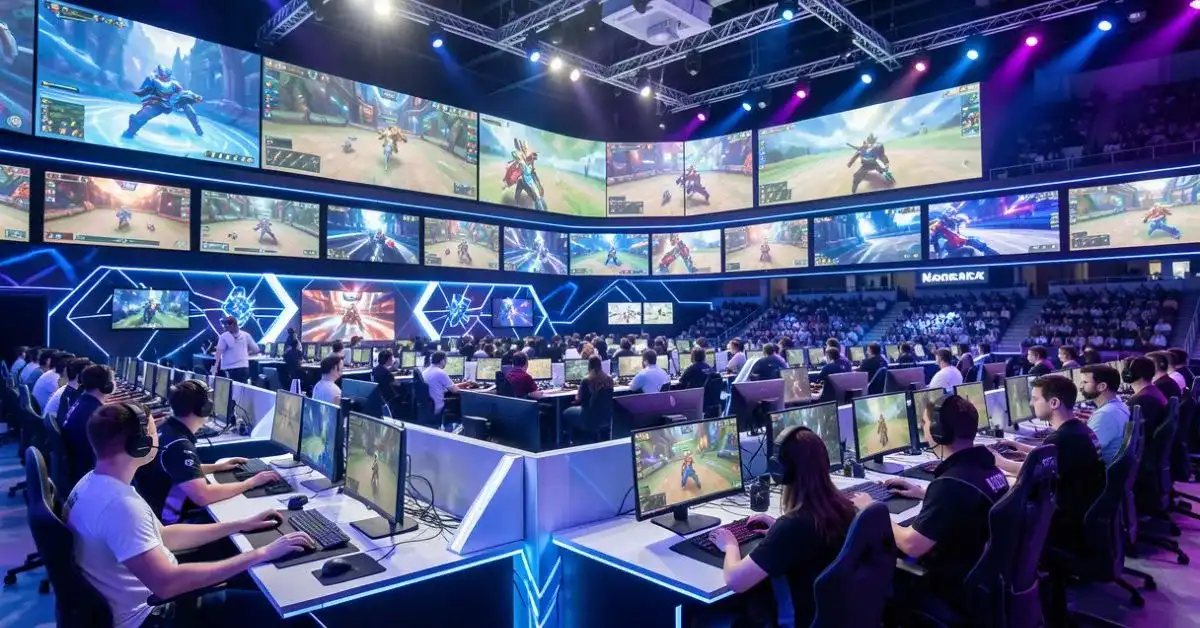
Esports has grown from basement LAN parties to billion-dollar stadiums packed with screaming fans. With that growth came an explosion of news sources trying to cover everything from surprise roster changes to million-dollar tournament finals.
The problem? Not all coverage is created equal.
Some platforms focus only on massive League of Legends championships. Others dig deep into niche fighting game communities. And many casual fans just want one reliable source that covers the stuff that actually matters without drowning them in insider jargon.
That’s where specialized esports journalism platforms come into play.
Esports news dualmedia refers to a coverage approach that blends traditional sports journalism methods with digital-native content formats, delivering competitive gaming news through both written articles and visual media. This dual-format strategy helps platforms reach both hardcore esports followers who want deep analysis and casual viewers who prefer quick video highlights.
In this article, you’ll learn what makes this approach different, which games and tournaments typically get coverage, why it matters for staying updated, and how it compares to other esports news sources.
Quick Summary
Esports news through dual media formats combines written journalism with video content to cover competitive gaming. This approach serves different audience preferences while maintaining comprehensive tournament, player, and industry coverage across major titles like League of Legends, CS:GO, Valorant, and Dota 2.
What Exactly Does DualMedia Mean in Esports Coverage?
The term “dual media” in esports journalism describes platforms that don’t rely on just one content type.
Traditional sports coverage learned this lesson decades ago. ESPN doesn’t just write articles. They produce video highlights, live commentary, podcasts, and social media clips because different fans consume content differently.
Esports followed the same path.
A dual media approach typically includes:
Written content: Match recaps, player interviews, roster change announcements, tournament previews, and meta analysis. These work great for readers who want details they can skim or reference later.
Visual content: Highlight reels, live match commentary, player feature videos, tournament vlogs, and quick social media clips. These serve fans who’d rather watch a 90-second clip than read a 900-word article.
For example, when Team Liquid made a surprise roster swap before the 2024 League of Legends Championship Series, dual media coverage meant fans got both a detailed written explanation of contract terms AND a video interview with the departing player.
Both formats told the story. Neither replaced the other.
This matters because esports audiences span different age groups, regions, and engagement levels. A 16-year-old TikTok user wants different content than a 32-year-old who grew up reading sports sections in newspapers.
Which Games and Tournaments Get Covered?
Not every esports title gets equal attention, and that’s by design.
Most dual media platforms focus on games with established competitive scenes, regular major tournaments, and significant viewer numbers.
Top-tier coverage typically includes:
League of Legends: The World Championship, regional leagues (LCS, LEC, LCK, LPL), Mid-Season Invitational. This MOBA consistently draws millions of viewers and has the most developed professional infrastructure.
Counter-Strike (CS:GO/CS2): Major Championships, ESL Pro League, BLAST Premier events. The tactical shooter maintains one of esports’ most dedicated fanbases.
Dota 2: The International, regional Dota Pro Circuit events. Known for record-breaking prize pools that make mainstream sports news.
Valorant: Champions, Masters events, VCT regional leagues. Riot’s tactical shooter rapidly built a competitive scene rivaling established titles.
Fighting games: EVO Championship Series coverage for titles like Street Fighter, Tekken, and Mortal Kombat appeals to a passionate niche audience.
Coverage decisions usually follow viewer numbers and advertiser interest. A platform might cover every CS:GO Major match but only highlight finals for smaller titles like Rocket League or Rainbow Six Siege.
This creates natural coverage tiers that reflect actual audience demand rather than trying to cover everything equally.
How Dual Media Platforms Structure Their Coverage
Good esports journalism follows predictable patterns that help fans find what they need quickly.
Pre-tournament coverage sets the stage. This includes roster analysis, player form reviews, meta discussions about which characters or strategies dominate, and predictions. Written guides work well here because fans want reference material they can review multiple times.
Live coverage happens during tournaments. This ranges from live blogs with score updates to real-time social media posts with key highlight clips. Video shines here because watching a perfectly executed five-player ultimate combo hits different than reading about it.
Post-match analysis breaks down what happened and why it mattered. Written recaps provide match statistics, quotes from player interviews, and context about tournament implications. Video breakdowns might show tactical rotations or decision-making moments casual viewers missed.
Off-season content fills gaps between major events. Roster rumors, player transfers, team announcements, and industry news keep audiences engaged year-round.
The dual format approach means platforms can serve different consumption preferences within the same coverage cycle.
Someone following the Valorant Champions tournament might read the pre-event analysis article, watch live highlight clips on Twitter during matches, then watch a full post-match analysis video later that evening.
Why This Coverage Model Works for Esports
Esports audiences behave differently than traditional sports fans in important ways.
They’re digital natives. Most competitive gaming fans grew up with YouTube, Twitch, and social media as primary entertainment sources. They expect content across multiple platforms and formats.
They want depth. Unlike casual sports viewers who might only watch playoffs, esports fans often follow player careers, team organizations, game balance patches, and industry business moves with intense interest.
They’re globally distributed. A League of Legends match between Korean teams might air at 3 AM Eastern time. Fans in different time zones need both live coverage and post-match content they can consume later.
They engage on social platforms. Esports communities thrive on Reddit, Discord, Twitter, and game-specific forums. Content needs to work in these environments, not just on a main website.
A dual media approach addresses all these behaviors simultaneously.
The written article serves SEO and provides a permanent reference. The video clip gets shared on social media and drives engagement. Both point back to the platform’s brand and build audience loyalty.
Comparing Coverage Approaches
Different platforms emphasize different strengths based on their resources and audience focus.
| Platform Type | Primary Strength | Content Focus | Best For |
|---|---|---|---|
| Dual Media Platforms | Balanced written + video | Comprehensive tournament and player coverage | Fans wanting both quick updates and deep analysis |
| Video-First Channels | High production highlight reels | Visual storytelling, entertainment value | Viewers preferring YouTube/Twitch content |
| Text-Focused Sites | Deep tactical analysis | Strategy breakdowns, roster moves | Readers wanting detailed information |
| Social-Native Accounts | Real-time updates | Live score updates, breaking news | Fans following matches in real-time |
No approach is universally better. They serve different needs.
Someone watching a CS:GO Major at work on mute might prefer text updates. That same person might watch full match analysis videos at home that evening.
Dual media platforms try to serve both moments rather than forcing users to visit separate sources.
The Role of Community and Fan Engagement
Esports journalism isn’t a one-way broadcast anymore.
Fan communities actively shape coverage through comments, social media responses, and direct feedback. A platform that ignores audience preferences won’t last long in this space.
Smart dual media operations monitor which content formats perform best for different topics.
Maybe video interviews with players get 10 times more engagement than written Q&As. But detailed meta analysis articles drive more sustained traffic over time because players reference them when learning strategies.
These insights guide content investment decisions.
Platforms also recognize that esports fans often ARE players themselves. Someone watching professional Valorant might be grinding ranked matches trying to copy strategies they see in tournaments.
This creates demand for educational content that blends journalism with practical gameplay advice. A match recap might include a tactical breakdown that helps viewers understand both what happened AND how to apply similar strategies in their own games.
Traditional sports rarely have this dynamic. Most NBA fans aren’t practicing pick-and-roll plays for their own games.
What Makes Esports News Coverage Trustworthy?
With thousands of social media accounts claiming to cover esports, credibility separates professional journalism from fan accounts.
Reliable sources demonstrate:
Direct access to players and teams. Platforms with actual interviews and official statements carry more weight than those just aggregating Reddit rumors.
Consistent accuracy. Getting roster moves right, correctly reporting tournament results, and issuing corrections when mistakes happen builds trust over time.
Transparent sourcing. Saying “according to a report from ESPN Esports” versus vague “sources say” phrasing shows editorial standards.
Industry relationships. Established platforms have connections with tournament organizers, team management, and game publishers that enable exclusive coverage.
The dual media format itself can enhance credibility when done right.
A written article citing specific sources plus a video interview with the actual player involved creates stronger verification than either format alone.
How to Stay Updated with Esports News
For fans wanting to follow competitive gaming without information overload, a few strategies help:
- Pick your games. You don’t need to follow every esport. Choose one or two titles you actually play or enjoy watching, then go deep on those.
- Find platforms matching your consumption style. If you prefer reading, prioritize text-focused sources. If you watch YouTube daily anyway, subscribe to video-first channels.
- Use social media selectively. Follow official tournament accounts and established journalists rather than every fan account sharing recycled content.
- Check coverage during major events. Even if you don’t follow every regular season match, tuning in for World Championships or Major tournaments keeps you connected to the biggest storylines.
- Look for contextualized coverage. The best platforms explain WHY something matters, not just WHAT happened. This helps casual fans understand significance without needing years of background knowledge.
Dual media platforms work well for this balanced approach because they offer multiple entry points at different engagement levels.
The Business Side of Esports Journalism
Understanding how coverage gets funded explains why certain content exists and why some platforms succeed while others disappear.
Revenue typically comes from:
- Advertising: Display ads, video pre-rolls, and sponsored content sections generate income based on traffic and viewer numbers.
- Affiliate partnerships: Links to gaming gear, tournament tickets, or streaming services earn commissions on purchases.
- Premium subscriptions: Some platforms offer ad-free experiences or exclusive content for paying members.
- Event partnerships: Official media partnerships with tournament organizers provide access in exchange for promotional coverage.
The dual media model can be expensive to execute well. Written content requires journalists. Video production needs cameras, editors, and hosting infrastructure.
This explains why many esports news sources operate with small teams focused on one format. Comprehensive dual media coverage usually requires either significant investment or specialization in specific high-value games.
For fans, this means the free content you consume is supported by advertising and partnerships. Understanding this helps explain why platforms focus on popular games with large audiences rather than niche titles with smaller followings.
Common Challenges in Esports News Coverage
Even established platforms face ongoing difficulties that affect content quality and availability.
Global scheduling complexity: With major tournaments happening across Asia, Europe, and North America, comprehensive live coverage requires round-the-clock operations.
Rapid meta changes: Game balance patches can completely shift competitive strategies between tournaments, making analysis outdated quickly.
Language barriers: Top teams compete in Korean, Chinese, Portuguese, and other languages. Accurate translation and cultural context matter for proper coverage.
Access limitations: Not all teams and players grant interviews. Some organizations tightly control information flow, limiting independent journalism.
Platform algorithm changes: Social media and search engine updates can dramatically affect how content reaches audiences, forcing constant adaptation.
Audience fragmentation: With dozens of competitive games and hundreds of professional teams, building a large unified audience is harder than in traditional sports with fewer major leagues.
These challenges explain why even good coverage sometimes has gaps or delays. The infrastructure supporting esports journalism is still developing compared to traditional sports media that’s had decades to mature.
Finding the Right Coverage for Your Needs
With so many sources competing for attention, choosing platforms wisely saves time and improves your experience.
Consider what you actually want from esports coverage:
- Just major tournament results? Following official tournament social accounts and checking general sports sites during championships might be enough.
- Deep tactical analysis? Look for platforms with former professional players or coaches providing expert breakdowns.
- Player personality and stories? Video-focused channels with player features and behind-the-scenes content deliver this better than match recaps.
- Industry business news? Specialized outlets covering team ownership, investment, and business developments serve this niche.
- Everything about one specific game? Community-run sites dedicated to single titles often provide more depth than general esports platforms.
Dual media platforms work best for fans wanting balanced coverage across multiple areas without visiting dozens of different sources.
The format flexibility means you can read when convenient and watch when you have more time, both from the same trusted source.
The Future of Esports Journalism
As competitive gaming continues growing, coverage approaches will keep evolving.
Emerging trends include:
- Interactive content: Platforms experimenting with choose-your-own-perspective video coverage, allowing viewers to select which player’s point of view to watch during matches.
- AI-assisted highlights: Automated systems identifying key moments and generating quick highlight packages minutes after matches end.
- Deeper statistical analysis: Advanced metrics and data visualization helping fans understand player performance beyond simple kill/death ratios.
- Mobile-first content: Vertical video formats and mobile-optimized articles reflecting how younger audiences actually consume content.
- Community integration: Platforms building comment systems, prediction games, and fan interaction tools directly into coverage rather than relying solely on external social media.
The dual media approach will likely remain central because it addresses fundamental audience diversity that won’t disappear. As long as some people prefer reading and others prefer watching, successful platforms will serve both preferences.
What will change is how sophisticated that content becomes and how well it integrates with the platforms where esports communities already gather.
Conclusion
Whether you’re a casual viewer trying to understand tournament brackets or a competitive player following professional strategies, quality esports news coverage helps you stay connected to the games you love.
Dual media platforms offer the flexibility to consume content however fits your lifestyle—reading detailed analysis during your commute or watching highlight reels while relaxing at home.
Start by picking one or two games you actually enjoy. Find a platform covering those titles with the content format you prefer. Follow their coverage through one major tournament cycle.
You’ll quickly learn which sources provide real value versus those just recycling information from better-researched outlets.
The esports world moves fast, but good journalism helps make sense of the chaos. You don’t need to follow everything. You just need to find coverage that matches your actual interests and helps you enjoy competitive gaming more.
Explore more gaming industry insights and trend analysis here at BlogNex, where we break down the stories shaping digital entertainment.
Frequently Asked Questions
What is esports news dualmedia and how does it work?
Esports news dualmedia combines written articles and video content to cover competitive gaming events, player news, and industry developments. This approach serves different audience preferences—some fans prefer reading detailed analysis while others want quick video highlights.
Which esports games get the most coverage from dual media platforms?
League of Legends, Counter-Strike, Dota 2, and Valorant receive the most comprehensive coverage due to their large player bases and established tournament circuits. Fighting games and Rocket League usually get coverage focused on major tournaments rather than daily updates.
How do esports news platforms make money?
Most platforms generate revenue through display advertising, video ad pre-rolls, sponsored content partnerships, and affiliate commissions from gaming product sales. Some also offer premium subscriptions for ad-free experiences or exclusive content access.
Is esports news coverage as reliable as traditional sports journalism?
Established esports news platforms with verified journalist credentials and direct source access match traditional sports journalism quality. However, many unverified social media accounts and fan sites mix rumors with factual reporting, so choosing credible sources matters.
How often should I check esports news to stay updated?
For casual fans, checking coverage weekly or during major tournaments provides sufficient awareness of significant storylines. Daily updates matter most for competitive players or serious fans following specific teams closely.
What’s the difference between esports news and game update news?
Esports news covers competitive gaming events, professional players, and tournament results. Game update news focuses on patch notes, balance changes, and new character releases affecting all players. They overlap when updates impact competitive play.