

Introduction
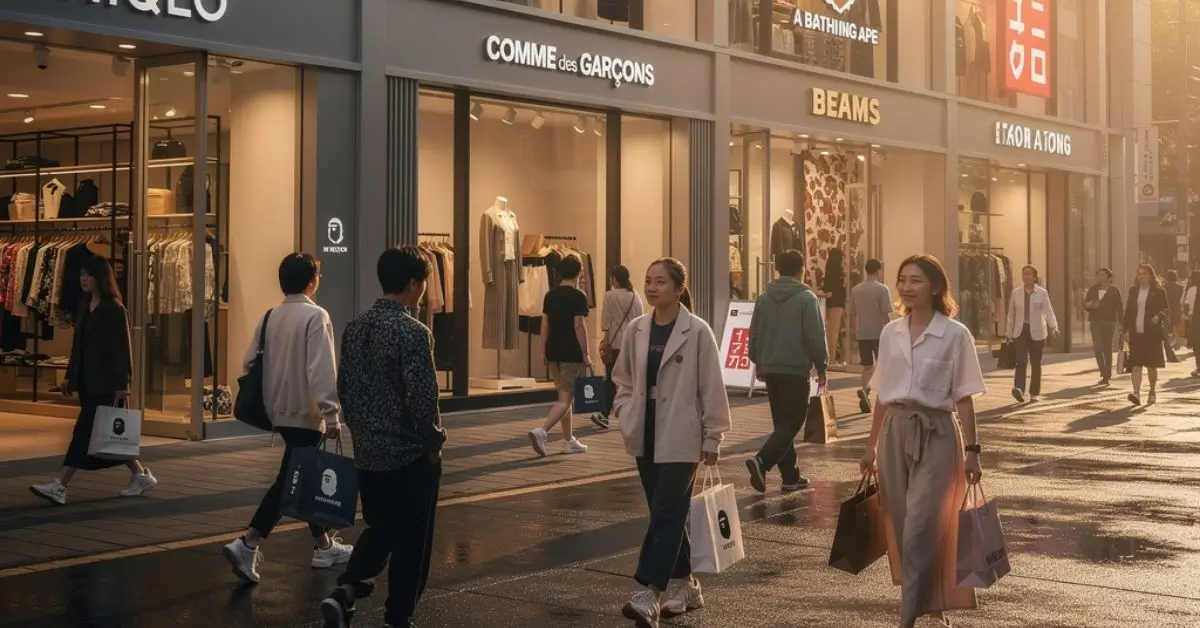
Japanese fashion has influenced global clothing culture for decades. From the quiet minimalism of Yohji Yamamoto to the loud, detail-obsessed world of Comme des Garçons, the range is remarkable. And yet many people in the US and UK still only know one or two names from a scene that is genuinely deep and worth exploring.
The challenge is that Japanese fashion covers so many distinct aesthetics that knowing where to start feels overwhelming. Are you interested in avant-garde design, everyday minimalism, heritage workwear, or Tokyo streetwear? Each direction has different brands, different price points, and a completely different philosophy behind it.
This guide covers the most significant Japanese clothing brands across different style categories, explains what makes each one worth knowing, gives you honest context about pricing, and helps you figure out which direction actually fits how you dress.
Japanese clothing brands refer to fashion labels founded and designed in Japan, spanning a wide range of aesthetics from avant-garde and minimalist luxury to streetwear, workwear, and contemporary casual wear. These brands are known globally for exceptional quality, innovative design philosophy, and cultural authenticity, with many having shaped international fashion trends across multiple decades since the 1970s.
Quick Summary
Japanese clothing brands cover everything from high-concept luxury design to accessible everyday wear. This guide profiles the most important labels across different style categories, explains what each brand stands for, and gives you the context to shop with genuine understanding rather than just recognizing a logo.
Why Japanese Fashion Stands Apart
Before diving into specific brands, it helps to understand why Japanese fashion has earned such strong global respect among designers, stylists, and serious clothing enthusiasts.
Japanese fashion culture emphasizes craftsmanship above almost everything else. The attention to fabric quality, construction detail, fit precision, and finishing is consistent across both luxury and mid-range labels in a way that is genuinely distinctive.
There is also a cultural comfort with taking creative risks. Japanese designers have consistently pushed boundaries that Western fashion houses moved toward much later. Deconstructed silhouettes, asymmetrical cuts, all-black palettes as a complete aesthetic, and the blending of traditional Japanese textile techniques with contemporary shapes all emerged from Japanese designers before becoming globally influential.
Understanding this context makes exploring Japanese clothing brands more rewarding because you start to see the intention behind choices that might initially seem unusual.
Avant-Garde and Designer Japanese Brands
Comme des Garçons
Founded by Rei Kawakubo in Tokyo in 1969 and introduced to Paris in 1981, Comme des Garçons remains one of the most influential fashion houses in the world. Kawakubo’s approach challenges conventional ideas about beauty, proportion, and what clothing is supposed to do.
The brand is known for structured, sculptural pieces, unconventional silhouettes, and a refusal to follow seasonal trends in any conventional sense. It is not clothing for everyone, and it is not meant to be. But for people who treat fashion as genuine creative expression, CDG is a landmark label.
Price range: High. Main line pieces run from several hundred to several thousand dollars. The more accessible CDG Play line, recognizable by its heart logo, is available at more moderate prices and widely available in the US.
Yohji Yamamoto
Yohji Yamamoto is another Tokyo-born designer who changed how the world thought about fashion when he showed in Paris in 1981 alongside Kawakubo. His signature is a dark, poetic minimalism built around black, asymmetry, and fluid drape.
Yamamoto’s clothes are architectural without being rigid. They move beautifully and age gracefully, which makes them investment pieces for people who appreciate considered dressing rather than trend cycles.
His Y-3 collaboration with Adidas brought his aesthetic to a sportswear context at a more accessible price point and introduced his design sensibility to a much wider audience in the US and Europe.
Issey Miyake
Issey Miyake’s legacy spans decades and multiple distinct phases. He is best known in mainstream culture for his Pleats Please line, which uses a signature pleating technique that creates garments that travel without wrinkling, feel extraordinarily comfortable, and maintain their shape permanently.
His Bao Bao bags and accessories have become globally recognizable design objects. The brand’s commitment to combining technology with craft is consistent and genuine across everything it produces.
Japanese Streetwear Brands
A Bathing Ape (BAPE)
Founded by Nigo in Tokyo’s Harajuku district in 1993, BAPE became one of the most influential streetwear brands in the world long before the term streetwear was widely used. Its camouflage patterns, shark hoodies, and ape logo became genuine cultural symbols.
BAPE’s influence on American hip-hop culture and streetwear more broadly is well documented. Artists from Pharrell Williams to Kanye West championed the brand, and it helped establish the idea of limited-edition streetwear drops as a cultural event rather than just a retail transaction.
Price range: Mid to high. Hoodies typically run $200 to $400. Collaborations command significantly higher prices on the resale market.
Neighborhood
Neighborhood was founded in 1994 and occupies a distinctive space between Japanese biker culture, American workwear, and streetwear. The brand is known for high-quality construction, military and motorcycle-influenced detailing, and a dark, rugged aesthetic.
It has collaborated with brands including Adidas, Timberland, and Converse, which have brought it wider recognition while maintaining its core identity. For people who find mainstream streetwear too logo-heavy but want something with genuine character, Neighborhood is worth serious attention.
Visvim
Visvim, founded by Hiroki Nakamura in 2001, is built around a philosophy of combining traditional craft techniques from cultures around the world with contemporary clothing design. The brand is painstakingly researched and produced, often using hand-dyeing, traditional weaving, and artisan construction methods.
This level of craft comes at a significant price. Visvim sneakers can cost $500 to $1,000 or more, and their clothing pieces are similarly positioned. But for people who value the story and process behind what they wear, Visvim offers something genuinely rare in contemporary fashion.
Minimalist and Contemporary Japanese Brands
Uniqlo
Uniqlo deserves a full discussion rather than a passing mention because it represents one of the most successful translations of Japanese design values into accessible, everyday clothing anywhere in the world.
Founded in Hiroshima in 1949 and transformed into a global brand by Tadashi Yanai, Uniqlo focuses on what it calls LifeWear, clothing designed to improve everyday life through function, simplicity, and quality. Its HeatTech, Airism, and Ultra Light Down technologies are genuinely innovative products that millions of people in the US, UK, and Canada use daily.
Uniqlo’s design collaborations, including long-running partnerships with Jil Sander under the +J line and Christophe Lemaire under the Uniqlo U line, have produced some of the best value-for-money clothing available at any price point in contemporary fashion.
Price range: Accessible. Most core pieces range from $20 to $100.
Muji
While Muji is primarily known as a lifestyle and homeware brand, its clothing line embodies the same no-brand, functional minimalism philosophy that defines everything the company makes. Muji clothing is uncomplicated, neutral in palette, and built for comfort and longevity over trend participation.
For people who want a simple, cohesive wardrobe without any branding or fashion signaling, Muji is genuinely excellent. Its linen and cotton basics in particular are consistently well-reviewed.
nanamica
nanamica occupies a thoughtful middle ground between technical outdoor clothing and refined urban design. Founded in Tokyo in 2003, the brand creates pieces that work in city environments while being genuinely functional in outdoor conditions.
Its GORE-TEX outerwear, technical trousers, and understated accessories have developed a strong following among people who want clothing that performs well without looking overtly athletic. It has strong distribution in the US through specialty retailers.
Brand Comparison at a Glance
| Brand | Style Category | Price Range | Best Known For |
|---|---|---|---|
| Comme des Garçons | Avant-garde luxury | High to very high | Sculptural, concept-driven design |
| Yohji Yamamoto | Minimalist luxury | High | Dark, poetic silhouettes |
| Issey Miyake | Contemporary luxury | Mid to high | Pleats Please, technical fabric innovation |
| BAPE | Streetwear | Mid to high | Camo prints, shark hoodies, cultural influence |
| Neighborhood | Streetwear and workwear | Mid to high | Biker and military-influenced quality pieces |
| Visvim | Artisan streetwear | Very high | Traditional craft techniques, premium materials |
| Uniqlo | Everyday minimalism | Accessible | LifeWear, technology fabrics, design collaborations |
| Muji | No-brand minimalism | Accessible | Simple, functional wardrobe basics |
| nanamica | Technical urban wear | Mid range | GORE-TEX city clothing, understated function |
Heritage and Workwear Japanese Brands
Oni Denim and Japanese Selvedge Producers
Japanese denim deserves its own category because it represents one of the most significant contributions Japanese textile manufacturing has made to global fashion. Brands like Oni Denim, Samurai Jeans, Studio D’Artisan, and Oni produce selvedge denim using vintage shuttle looms, often in Kojima, the historic denim-producing region of Japan.
These jeans are built to last for years and develop a distinctive fade pattern over time through wear. They are a specific passion within denim culture but increasingly recognized by mainstream fashion audiences who want clothing that improves rather than degrades with age.
Price range: $200 to $600 for quality Japanese selvedge denim.
Conclusion
Japanese clothing brands represent one of the most genuinely interesting and diverse areas of global fashion. Whether you are drawn to the conceptual ambition of Comme des Garçons, the accessible quality of Uniqlo, the streetwear heritage of BAPE, or the artisan craftsmanship of Visvim, there is a Japanese brand that fits how you think about clothing.
The common thread across all of them is an honest commitment to quality and intention. Japanese fashion, at every price point, tends to prioritize the actual garment over the marketing around it. For people who care about what they wear and why, that is a genuinely compelling place to start exploring.