

Introduction
You’ve probably seen it online dramatic makeup, wild hair, elaborate outfits that blur the line between rock concert and runway. Maybe you stumbled across a Japanese band whose look stopped you mid-scroll. You felt drawn to it but had no idea where to start or what it was even called.
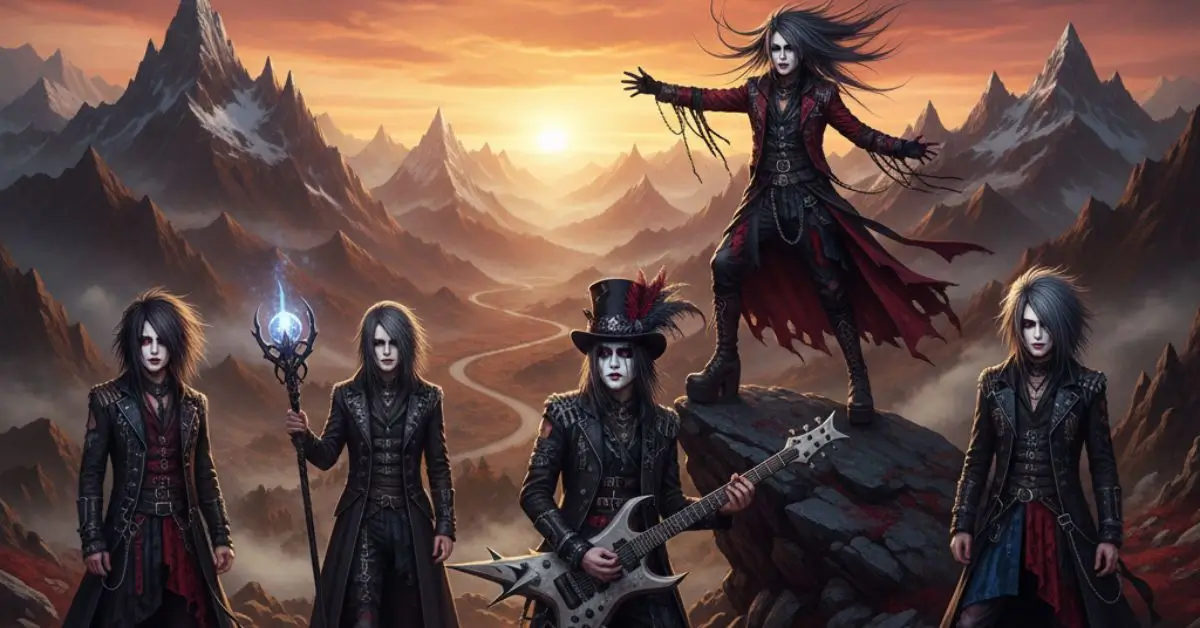
That style has a name. Vkei fashion, short for “visual kei,” is a Japanese aesthetic movement rooted in rock and metal music. It combines theatrical clothing, androgynous beauty, and bold self-expression into a look that’s equal parts rebellion and art. It originated in the 1980s Japanese music scene and has since grown into a global subculture with dedicated followers across the US, UK, Canada, and beyond.
This guide breaks down everything you need to know: the history behind the movement, the key substyles, how to actually put together a look, and where to find pieces if you live outside Japan.
Quick Summary
Vkei fashion comes from Japan’s visual kei rock scene. It’s theatrical, gender-fluid, and highly expressive. This guide covers its history, core elements, major substyles, practical styling tips, and where Western fans can shop for authentic pieces.
Where Did Visual Kei Come From?
The story starts in 1980s Japan. Bands like X Japan, Buck-Tick, and Luna Sea didn’t just make music, they built entire visual identities. Their stage outfits were as important as their guitar riffs. They drew from Western glam rock (think David Bowie, Kiss), gothic fashion, punk, and traditional Japanese aesthetics, then mixed everything into something entirely new.
The term “visual kei” roughly translates to “visual style” or “visual system.” It was never just about clothing. It was a philosophy: what you look like matters as much as what you sound like.
By the 1990s, the movement exploded in Japan. Bands like Malice Mizer, Dir en grey, and the GazettE each developed wildly different looks, proving that visual kei wasn’t one single style it was a framework for extreme creative expression.
The movement reached Western audiences in the early 2000s through anime conventions, online communities, and music sharing platforms. Today, it has a small but passionate following in cities like Los Angeles, New York, London, and Toronto.
Core Elements of the Aesthetic
What makes a look “vkei”? There’s no strict rulebook, but certain elements show up again and again.
Clothing
The clothing tends to be layered, dramatic, and detailed. Think asymmetrical cuts, long coats, corsets, harnesses, chains, and ruffled shirts. Fabrics like velvet, leather, lace, and PVC are common. Colors range from all-black to vivid reds, silvers, and whites depending on the substyle.
Gender norms don’t apply here. Men wear skirts, corsets, and heeled boots. Women wear military-inspired jackets and sharp tailoring. The entire point is to break expectations.
Hair
Hair is arguably the most recognizable element. Styles are often extreme teased, spiked, or sculpted into gravity-defying shapes. Colors range from jet black to platinum blonde, vivid red, or multi-toned combinations. Extensions, wigs, and clip-in pieces are standard tools, not shortcuts.
Makeup
Makeup in this scene is bold and precise. Heavy eyeliner, dramatic contouring, colored contact lenses, and sometimes prosthetic elements create a look that borders on theatrical. It’s not about looking “natural” it’s about creating a character or mood.
Accessories
Accessories complete the look. Studded belts, chokers, layered necklaces, rings on every finger, arm cuffs, and decorative chains all play a role. Many fans also incorporate crosses, roses, crowns, and other symbolic elements into their outfits.
The Major Substyles Explained
One common mistake people make is treating visual kei as a single look. In reality, it contains several distinct substyles. Here’s a breakdown of the most important ones:
| Substyle | Vibe | Key Features | Example Band |
|---|---|---|---|
| Kote Kei | Dark, gothic, romantic | Lace, velvet, pale makeup, Victorian elements | Malice Mizer |
| Oshare Kei | Bright, playful, colorful | Neon colors, cute accessories, pop-influenced | An Cafe |
| Nagoya Kei | Heavy, aggressive, raw | Dark leather, heavy chains, industrial feel | Lynch. |
| Angura Kei | Traditional, eerie, artistic | Japanese traditional clothing mixed with horror elements | Kagrra, |
| Neo Visual Kei | Modern, polished, mainstream | Sleek styling, updated silhouettes, accessible | the GazettE |
Understanding these substyles helps you figure out which direction resonates with your personal taste. You don’t have to commit to just one many fans mix elements freely.
How to Build Your First Look
If you’re new to this and want to try building an outfit, here’s a practical approach that won’t overwhelm you or your wallet.
Start With a Base
Choose a simple base: black skinny jeans or fitted trousers paired with a solid-color top. Black is the safest starting point because it works across almost every substyle.
Add One Statement Piece
This is where the transformation begins. A single dramatic piece a long coat, a ruffled blouse, a harness, or a pair of platform boots can shift an ordinary outfit into visual kei territory.
For example, a guy in Chicago might pair black jeans with a Victorian-style ruffled shirt from an online gothic retailer, add a choker, and style his hair with volume. That’s already a solid entry point into the aesthetic.
Layer Accessories
Accessories are your best friend when building this aesthetic on a budget. Stack rings, add a chain belt, wear layered necklaces, or clip on an ear cuff. These small additions create visual complexity without requiring expensive clothing.
Don’t Skip the Hair and Makeup
Even a basic outfit looks dramatically different with styled hair and bold eye makeup. You don’t need professional-level skills a YouTube tutorial on smoky eyes and some hair teasing spray go a long way.
Build Gradually
Nobody builds a full wardrobe overnight. Start with pieces you can mix into your everyday style, then expand as you find your preferred substyle. The community is generally welcoming to newcomers who show genuine interest and respect for the culture.
Where to Shop in the US, UK, and Canada
Finding authentic pieces outside Japan used to be nearly impossible. That’s changed significantly, though it still requires some effort.
Online Japanese Retailers
Stores like CDJapan and Closet Child (a secondhand shop specializing in Japanese alternative fashion) ship internationally. You can find both new and pre-owned pieces from actual Japanese brands associated with the scene.
Gothic and Alternative Western Retailers
Brands like Punk Rave, Devil Fashion, and Killstar carry pieces that overlap with the visual kei look, especially for kote kei and nagoya kei-inspired styles. These are widely available through Amazon, Dolls Kill, and dedicated gothic fashion sites.
Secondhand and Custom
Depop, Mercari, and eBay often have one-of-a-kind finds. Searching terms like “visual kei,” “jrock fashion,” or specific brand names can surface great pieces at reasonable prices. Many fans also commission custom items from independent designers on Etsy.
Thrift Stores
Don’t overlook thrift stores. Ruffled blouses, velvet blazers, leather accessories, and unique jewelry show up regularly. Some of the best outfits in the community are built from creatively thrifted pieces.
Cultural Respect Matters
This is a style rooted in Japanese culture. While visual kei has always been open to international fans many bands actively tour overseas and welcome global audiences it’s important to engage with the culture respectfully.
Learn about the bands and the history. Understand that this isn’t a costume for many people, it’s a meaningful form of identity and artistic expression. Credit the origins. Support Japanese artists and brands when you can.
This isn’t about gatekeeping. It’s about appreciation, not appropriation.
Why This Aesthetic Still Matters in 2025
In an era of fast fashion and algorithm-driven trends, visual kei fashion stands out because it’s fundamentally anti-template. It doesn’t follow seasonal trends. It doesn’t care about mass appeal. It rewards creativity, effort, and personal vision.
The global alternative fashion community has grown significantly in recent years, partly fueled by social media platforms like TikTok and Instagram. Visual kei content regularly goes viral, introducing new audiences to the style. Searches for Japanese alternative fashion have risen steadily in the US and UK markets.
For people who’ve always felt like mainstream fashion doesn’t represent them, this aesthetic offers something powerful: a community that celebrates being dramatic, being different, and being unapologetically yourself.
Common Mistakes to Avoid
Trying to do everything at once. A look with too many competing elements reads as chaotic rather than intentional. Choose a focal point, maybe it’s the hair, maybe it’s a dramatic coat, and build around it.
Ignoring fit. Even the most elaborate outfit falls flat if nothing fits well. Tailoring matters in this aesthetic. Pieces should look deliberate, not thrown together.
Copying a specific musician exactly. Taking inspiration is great. Creating a carbon copy feels hollow. The spirit of the movement is about developing your visual identity, not cloning someone else’s.
Skipping the details. The difference between a good outfit and a great one in this style is almost always in the small details the rings, the way the hair falls, the eyeliner precision. Details matter here more than in almost any other fashion subculture.
Frequently Asked Questions
What does vkei fashion actually mean?
Vkei fashion is the theatrical, gender-fluid clothing and beauty style linked to Japan’s visual kei rock movement. It started in the 1980s and centers on dramatic self-expression through outfits, hair, and makeup. The term roughly translates to “visual style.”
Is visual kei fashion only for Japanese people?
No. It’s been a global movement for decades, with active communities in the US, UK, Canada, and Europe. Approach it with genuine appreciation for its roots, and you’re welcome in the community.
Can men wear visual kei fashion?
Absolutely, the style actually originated with male Japanese rock musicians. Androgyny is central here. Men regularly wear makeup, skirts, corsets, and heeled boots. Breaking gender norms is the whole point.
How much does it cost to build a visual kei wardrobe?
You can start for under $100 by thrifting and using affordable accessories. High-end Japanese brand pieces can reach $200–$500+. Most fans build gradually, mixing budget finds with occasional investment pieces.
Where can US fans connect with the community?
Anime conventions are a great starting point. Online, check Reddit (r/visualkei), Discord servers, and Instagram hashtags. Los Angeles, New York, and Seattle have some of the most active local communities.
Is visual kei the same as goth?
Not exactly. Both share dark aesthetics, but visual kei is rooted in Japanese rock culture while goth comes from Western post-punk. Similar surface elements, but different histories and values entirely.